
What Is Professional Drain Cleaning and How Does It Actually Work?
- Devin Scott

- Mar 4
- 8 min read
If you have ever stood in a shower watching the water rise around your feet, or noticed your kitchen sink draining slower than usual, you already know how frustrating a clogged drain can be. Most homeowners try the usual home remedies first, but when those stop working, it is time to call in the experts. At Mike the Plumber, serving homeowners across Suffolk County and Long Island, professional drain cleaning is one of the most requested services, and for good reason. It is faster, safer, and far more effective than anything you can pick up at a hardware store.
But what exactly does "professional drain cleaning" mean? What tools do plumbers use? And how is it different from pouring a bottle of chemical drain cleaner down the pipe? This guide answers all of those questions in plain, simple language so you know exactly what to expect and why it matters for the long-term health of your home's plumbing system.
What Is Professional Drain Cleaning?
Professional drain cleaning is the process of removing blockages, built-up residue, and debris from your home's drain pipes using specialized equipment and proven techniques. Unlike store-bought solutions that only dissolve surface-level clogs temporarily, professional cleaning targets the root cause of the problem deep inside the pipe.

A licensed plumber does not just push a clog further down the line. Instead, they completely clear the pipe so water flows freely and efficiently the way it was designed to. This service covers everything from bathroom sink drains and shower drains to kitchen drains, floor drains, and even main sewer lines.
Why Store-Bought Drain Cleaners Are Not Enough
Walk into any home improvement store and you will find shelves lined with chemical drain cleaners. These products are heavily marketed as quick fixes, and while they can sometimes break up a light clog, they come with serious downsides.
Chemical drain cleaners use highly caustic ingredients that can corrode older metal pipes over time. They are also harmful to the environment once they reach the water supply. Most importantly, they rarely solve the actual problem. A chemical solution might eat through a soft grease clog, but it does nothing against a solid blockage caused by tree roots, compacted debris, or a buildup of mineral scale inside the pipe walls.
Professional drain cleaning, on the other hand, physically removes whatever is blocking the pipe. No harsh chemicals, no temporary fixes, and no risk of damaging your plumbing system in the process.
The Most Common Causes of Drain Blockages
Understanding why drains clog in the first place helps explain why professional intervention is sometimes necessary. In most homes, drain problems come from a handful of common sources.
Hair and Soap Scum
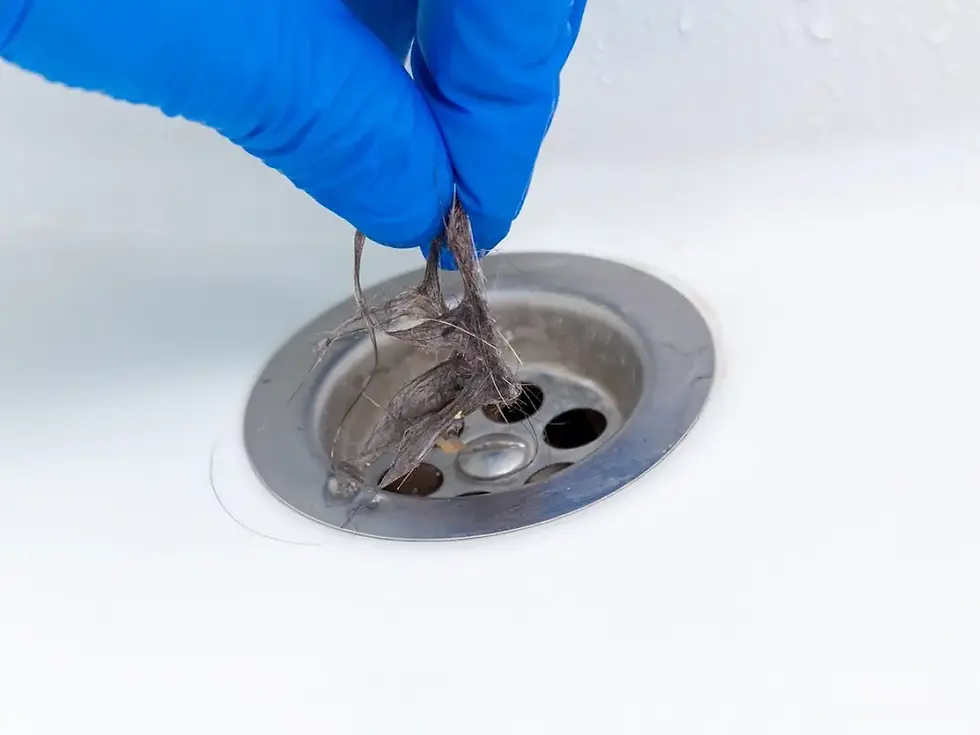
Bathroom drains are the most frequent victims of blockages. Hair tangles together inside the pipe and collects soap residue, eventually forming a thick, sticky mass that water struggles to pass through. This type of clog worsens gradually over weeks and months, which is why many homeowners do not notice the problem until water is backing up noticeably.
Grease and Food Particles
In the kitchen, cooking grease and oil are major culprits. When hot grease goes down the drain, it travels a short distance before cooling and solidifying along the pipe walls. Over time, food particles stick to this layer of hardened grease, narrowing the pipe until water can barely pass through.
Mineral Buildup and Scale
Homes in Long Island and Suffolk County often deal with hard water, which carries dissolved minerals like calcium and magnesium. These minerals deposit along the inside of pipes over the years, forming a hard, chalk-like scale that restricts water flow and can be nearly impossible to remove without professional tools. If you live in an older home, this is an especially common issue. You can learn more about this in our related guide on why bathroom drains clog faster in older Long Island homes and how to prevent it.
Tree Roots
Outdoor drain lines and sewer pipes are vulnerable to tree root intrusion. Roots naturally gravitate toward moisture and can work their way into tiny cracks in underground pipes, growing larger over time until they cause a serious blockage or even a pipe collapse.
The Main Methods Plumbers Use to Clean Drains
Professional drain cleaning is not a one-size-fits-all process. Plumbers select the right method based on the type of clog, the location of the blockage, and the condition of the pipe. Here are the most widely used techniques.

Drain Snaking (Mechanical Augering)
A drain snake, also called a plumber's auger, is a long, flexible metal cable that is fed into the drain and rotated to break up or pull out a clog. It is one of the oldest and most reliable tools in a plumber's kit. Drain snaking works well for straightforward blockages caused by hair, small objects, or compacted debris. It is gentle on pipes and can reach blockages that are several feet into the drain line.
Hydro Jetting
Hydro jetting is a more powerful and thorough method that uses a high-pressure stream of water to blast away buildup from the inside of the pipe. A specialized nozzle is inserted into the drain and water is pumped through at pressures that can reach up to 4,000 PSI. This technique does not just remove the clog; it also scours the pipe walls clean, removing grease, scale, and biofilm that a drain snake might leave behind. Hydro jetting is particularly effective for kitchen drain lines and main sewer line maintenance.
Camera Inspection
Before or after cleaning, many professional plumbers use a small waterproof camera attached to a flexible cable to inspect the inside of the pipe. This video drain inspection allows the technician to see exactly where the blockage is located, identify any damage to the pipe walls, and confirm that the cleaning was fully effective. It removes the guesswork entirely.
Rooter Service
For drain lines affected by tree root intrusion, a rooter machine uses rotating blades to cut through and remove roots inside the pipe. This is a more aggressive method reserved for more severe blockages, particularly in outdoor sewer lines.
How a Professional Drain Cleaning Appointment Actually Goes
Many homeowners are nervous about calling a plumber because they are not sure what to expect. The truth is that most drain cleaning appointments are straightforward, relatively quick, and minimally disruptive to your day.

The plumber will begin by assessing the situation, asking you about the symptoms you have noticed and checking the affected drain. From there, they will select the appropriate tools and method, perform the cleaning, and verify the results. In many cases, a camera inspection is included to confirm a clear pipe. If you want a more detailed walkthrough, our step-by-step guide on what to expect during a professional drain cleaning appointment covers the full process from start to finish.
How to Know When You Need a Professional
Not every slow drain needs a plumber. Sometimes, a simple mesh drain cover or a quick manual cleaning of the trap is all it takes. However, there are clear signs that suggest a professional is the right call.
If the same drain keeps clogging repeatedly despite your efforts, that is a strong signal that there is a deeper issue that home remedies are not solving. If multiple drains in your home are slow or backed up at the same time, the problem is likely in the main sewer line, not an individual fixture. Gurgling sounds coming from drains or toilets after water drains, foul odors rising from the pipes, and water backing up into other fixtures when you use the sink or toilet are all signs of a significant blockage that needs professional attention. Our separate guide on how to know when a slow drain needs professional cleaning versus a DIY fix can help you make that call with confidence.
The Benefits of Regular Professional Drain Cleaning
Many homeowners only think about their drains when something goes wrong. But scheduling routine professional drain cleaning, even once a year or every couple of years, offers real advantages that go beyond just preventing clogs.

Regular cleaning keeps pipes clear and extends their lifespan by reducing the buildup of corrosive materials. It improves overall water pressure and drainage speed throughout the home. It also gives your plumber a chance to spot early warning signs of pipe damage, cracks, or deterioration before they become expensive emergencies.
Think of it the same way you think about regular oil changes for your car. You do not wait for the engine to fail before taking action.
What Makes Professional Drain Cleaning Different From DIY Methods?
The core difference between what a licensed plumber does and what a homeowner can do on their own comes down to equipment, expertise, and results. A professional has access to commercial-grade tools that are not available at retail stores. They understand how different pipe materials, ages, and layouts affect the cleaning approach. And they can diagnose problems that go beyond a simple clog, catching issues that could otherwise grow into much larger and more expensive repairs down the road.
DIY methods have their place, and they are perfectly fine for minor, surface-level clogs. But when a drain is truly blocked, repeatedly problematic, or showing signs of a deeper plumbing issue, professional service is the smarter and more cost-effective choice.
Why Long Island Homeowners Should Pay Attention to Their Drains?
Long Island homes, especially older properties in Suffolk County, face unique plumbing challenges. Hard water mineral deposits, aging pipe materials, and older sewer line infrastructure all contribute to a higher rate of drain and pipe issues compared to newer construction. Staying ahead of these problems with professional maintenance is particularly valuable for homeowners in this region.
Conclusion
Professional drain cleaning is not just about unclogging a blocked pipe. It is a comprehensive service that clears your entire drain line, protects your pipes from long-term damage, and gives you peace of mind that your plumbing system is working the way it should. Whether you are dealing with a stubborn kitchen drain, a slow bathroom sink, or signs of a main sewer line issue, getting a licensed plumber involved is almost always the right move.
At Mike the Plumber, the team brings over 25 years of hands-on experience to every job, serving homeowners throughout Bohemia, Suffolk County, and the surrounding Long Island communities. If your drains are giving you trouble, it is ready to help with honest, affordable, and professional service that gets it right the first time.
Frequently Asked Questions
How long does a professional drain cleaning appointment take?
Most standard drain cleaning appointments take between 30 minutes and 2 hours, depending on the severity of the blockage, the location of the clog, and whether a camera inspection is included. More complex issues, like main sewer line blockages, may take longer.
Is professional drain cleaning safe for older pipes?
Yes. Licensed plumbers assess the condition of your pipes before choosing a cleaning method. Techniques like drain snaking are gentle enough for older or fragile pipes, while hydro jetting is typically reserved for pipes in good structural condition. A camera inspection beforehand helps determine the safest approach.
How often should I have my drains professionally cleaned?
For most homes, having your drains professionally cleaned once every one to two years is a reasonable maintenance schedule. Homes with older pipes, large households, or a history of frequent drain issues may benefit from more frequent service.
Can professional drain cleaning prevent future clogs?
Professional cleaning removes not just the active blockage but also the buildup along pipe walls that contributes to future clogs. While it cannot guarantee your drains will never clog again, regular professional maintenance significantly reduces the frequency and severity of blockages.
What is the difference between drain cleaning and drain snaking?
Drain snaking is one specific method within the broader category of professional drain cleaning. Professional drain cleaning can also include hydro jetting, camera inspections, rooter services, and other techniques. A licensed plumber will choose the right combination of methods based on your specific situation.
Will a plumber make a mess when cleaning my drains?
Professional plumbers take precautions to keep the work area clean and tidy. Most drain cleaning services are relatively contained and do not involve major disruption to your home. Any mess created during the service is typically cleaned up before the job is considered complete.
What should I do if my drain starts backing up suddenly?
If you experience a sudden drain backup, especially if multiple fixtures are affected at the same time, avoid using water in the home until a plumber can assess the situation. A sudden backup often signals a main sewer line issue that needs prompt professional attention.


Comments